

How to Prevent Ice Dams on Minnesota Roofs
- Roof Company N.A. Inc

- Aug 28, 2025
- 3 min read
Updated: Sep 3, 2025
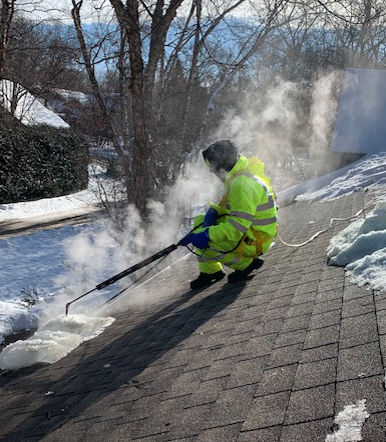
Preventing ice dams comes down to controlling heat loss, improving ventilation, and managing snow load on your roof.
1. Improve Attic Insulation & Air Sealing
Seal air leaks from living spaces into the attic.
Add insulation to keep heat inside your home or business where it belongs. Keeping your home or business properly insulated is one of the most effective ways to prevent ice dams. We partnered with EcoFoamMN, a trusted Minnesota insulation
company that offers both closed-cell spray foam insulation and blown-in insulation services. Their solutions help maintain consistent indoor temperatures, reduce heat loss, air seal, and protect your roof from ice dam formation.
Prevent warm spots on the roof that cause uneven snowmelt.
2. Ensure Proper Roof Ventilation
Ridge vents, soffit vents, and other ventilation systems help keep roof temperatures consistent and reduce the risk of ice dams in Minnesota. To make sure your ventilation is working properly, we offer free roof inspections throughout Minnesota. Schedule your free inspection today and protect your home or business before the next snowfall.
Proper airflow reduces the chances of snow melting unevenly.
3. Hire a Professional to Clear Snow from the Roof
After heavy Minnesota snowfalls, removing snow can help prevent ice dams, we do not recommend climbing onto your roof yourself. It can be extremely dangerous and may even cause damage to shingles, gutters, or roofing materials. Instead, it’s always safer
to hire a professional with the right equipment and expertise. At Roof Company N.A. Inc we offer professional ice dam removal using safe steam technology, the safest and most effective method to protect your roofing system and gutters.
Removing snow reduces the fuel that feeds ice dam formation.
4. Use Ice & Water Shield Underlayment
During roof replacement or installation, using an ice and water barrier under shingles provides extra protection against leaks. This is also a state code and has to be used to pass any roofing inspection.
Minnesota building codes requires this, but not all roofing companies install it properly. Schedule a free roof inspection at roofcomn.com
Schedule Regular Roof Inspections
Scheduling two annual roof inspections with a trusted Minnesota roofing contractor is the best way to catch ventilation issues, weak spots, or areas at risk for ice dams before they turn into costly repairs. Our team at Roof Company N.A. Inc offers residential and commercial roof inspections across Minnesota, helping you stay ahead of problems and extend the life of your roof. Schedule your free inspection at roofcomn.com
Ongoing preventative maintenance can help reduce the risk of a costly roof replacement before your roofing system reaches the end of its functional life cycle.
Professional Ice Dam Solutions in Minnesota
If you already have ice dams, it’s best not to try removing them yourself. Improper removal can damage shingles, gutters, or even cause injury.
We offer:
Residential ice dam removal with safe steaming techniques along with none harmful chemicals.
Commercial flat roof snow & ice management
Preventive roof maintenance plans to avoid ice dams in the future
How Do Ice Dams Form on Minnesota Roofs?
Ice dams form when three factors are at play: snow, heat loss, and freezing temperatures.
Snow builds up on your roof after a Minnesota snowstorm.
Heat escapes from inside your home or building, warming the roof deck.
The snow then begins to melt, and water runs toward the edges of the roof.
When the water reaches the cold roof edge or gutters, it refreezes into ice.
Over time, this ice builds up into a dam that traps more water behind it.
Because Minnesota experiences frequent freeze-thaw cycles and heavy snow loads, ice dams are especially common here.
Why Ice Dams Are a Bigger Issue in Minnesota
Unlike states with milder winters, Minnesota roofs deal with:
Long periods of snow accumulation
Extreme temperature swings from subzero nights to sunny afternoons.
Heavy roof loads that push water into cracks and gaps
Both residential homes and commercial flat roofs are at risk. On flat or low-slope roofs, ice dams can create large pools of standing water that increase the risk of leaks.
MN LIC #BC172153


Comments